Best Time to Visit Italy for a Luxury Trip — Month by Month
Italy works almost all year, but not all of it works at once. The coast closes in winter, the lakes shutter their gardens, and August belongs to everyone — so the month decides which Italy you get.
- The best time to visit Italy for a luxury trip is April to June and September to October.
- July and August are the most crowded months, and mid-August is Ferragosto, the Italian holiday.
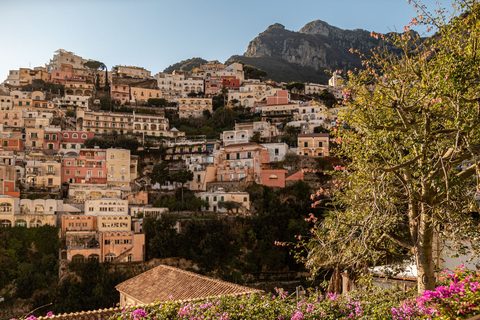
- The Amalfi Coast closes in early November and reopens for Easter; Sicily and Puglia keep a longer coastal season.
- October is harvest season: Etna's vendemmia runs from mid-September to mid-October, and autumn brings the short white truffle season.
- Lake Como is at its best in June and September; many of its grand hotels and villa gardens close from late October until Easter.
Italy month by month, at a glance
The best months for a luxury trip to Italy are April to June and September to October. July and August are the busiest, and from November to Easter the Amalfi Coast and many of Lake Como's villa gardens are closed while Rome, Florence and Venice carry on.
| Months | What is open and worth going for | Crowds |
|---|---|---|
| January – March | Rome, Florence and Venice: museums and long lunches. The Amalfi Coast and Lake Como's villa gardens are closed until Easter | Low |
| April | The season opens, and the Amalfi Coast reopens for Easter | Rising |
| May – June | Camellias and azaleas in the villa gardens of Tremezzo and Bellagio; Lake Como in June; crewed yachts to the Aeolian Islands | Moderate |
| July – August | The coast at full stretch; Ferragosto in mid-August. The cities are better outside these months | Highest: about 171.8 million arrivals were forecast for July and August 2026 |
| September | Lake Como in bloom; the Etna grape harvest from mid-September; yachts to the Aeolians | High |
| October | The Etna harvest to mid-October; the white truffle season in Tuscany and Umbria; Lake Como's gardens start closing late in the month | Moderate |
| November – December | The Amalfi Coast closes in early November; the quiet season of the cities | Low |
The short answer
April to June and September to October. Those are the months listed as the season on every one of our Italy pages, and the reason is simple: shoulder season is not a discount in Italy, it is the only way to get the version of the country you came for. Rome, Florence and Venice work almost all year; the coast and the lakes keep a calendar of their own.
Italy, month by month
- November to Easter. The Amalfi Coast closes in early November and reopens for Easter, and many of Lake Como's grand hotels and villa gardens close from late October until Easter. The cities carry on: this is the quiet Italy of museums and long lunches.
- April to June. The season opens. Late spring is the peak of the camellias and azaleas in the villa gardens of Tremezzo and Bellagio, and the coast is open again from Easter.
- July and August. The busiest months: roughly 171.8 million arrivals were forecast for July and August alone in 2026. Mid-August is Ferragosto, the Italian holiday itself, which empties city kitchens and fills the coast.
- September and October. The golden season, and no longer a quiet one: in Virtuoso's 2026 data, September led the season in sales. On Etna the vendemmia runs from mid-September to mid-October, and autumn brings the white truffle season, short and worth planning a trip around.
Which Italy in which month
The Amalfi Coast: Easter to early November; for a crewed yacht to the Aeolian Islands, May to June and September into October. Sicily and Puglia: a longer coastal season and shorter queues, at the price of longer drives; Etna's grape harvest is the autumn reason to go. Lake Como: June and September, when the gardens are in bloom and the crowds manageable. Tuscany and Umbria: autumn, for the white truffle season and a truffle hunt at first light. Rome, Florence and Venice: almost any month, best outside July and August.
What to book first
The month decides the booking order. Harvest-season access to the Etna estates fills by May; a villa on Lake Como for June or September should be reserved at least six months ahead; the finest yachts are taken a full season in advance; and the Colosseum opens ticket sales only thirty days out. What each style of trip costs is in how much a luxury trip to Italy costs.
How we plan it
We start from the month, then the region, then the houses and the access that go first. The full country is in our Italy guide. To begin, speak with an advisor.
Questions, answered.
April to June and September to October. Those months give you the light, the open coast and tables that are still possible to hold; July and August are the most crowded, and mid-August is Ferragosto, the Italian holiday. Rome, Florence and Venice work almost all year, while the Amalfi Coast is open from Easter to early November.
Yes. October sits inside Italy's best season. On Etna in Sicily, the vendemmia runs from mid-September to mid-October, and private cellar access during the harvest fills by May. In Tuscany and Umbria, autumn brings the white truffle season, short and worth planning around. The Amalfi Coast stays open until early November, and Lake Como's villa gardens until late October.
From Easter to early November. The Amalfi Coast closes in early November and reopens for Easter, so a winter trip to Italy is a trip to the cities. For a crewed yacht from the Amalfi Coast to the Aeolian Islands, the best months are May to June and September into October, and the finest vessels are reserved a full season ahead.
July and August, if you can. They are the busiest months — roughly 171.8 million arrivals were forecast for July and August alone in 2026 — and mid-August is Ferragosto, which empties city kitchens and fills the coast. On Lake Como the narrow lakeside roads slow badly in high summer, so a schedule built on driving stops working.
June and September, which combine full bloom in the villa gardens with manageable crowds, and late spring for the camellias and azaleas of Tremezzo and Bellagio. July and August bring heat and boat traffic, and many of the lake's grand hotels and villa gardens close from late October until Easter. Reserve a villa for June or September at least six months ahead.
June and September are the two strongest single months for a luxury trip to Italy. The coast and the lakes are both open, Lake Como's villa gardens are at their best, and the crowds are lighter than in July and August. September is no longer the quiet choice it was, so the villas and yachts for it need booking early; June leaves more room at short notice.
Yes, for most of Italy. The Etna grape harvest runs to mid-October, the white truffle season opens in Tuscany and Umbria, Rome, Florence and Venice are past the summer crowds, and the Amalfi Coast stays open until early November. The exception is Lake Como, where many grand hotels and villa gardens close from late October until Easter.
May to June and September into October are the best months for the Amalfi Coast. The coast is open from Easter to early November, and these shoulder weeks give you the villas, the boats and the tables without the August crush, when Ferragosto fills the coast. They are also the months for a crewed yacht from the coast to the Aeolian Islands.
August is the hardest month to travel well in Italy. July and August are the busiest months of the year, with about 171.8 million arrivals forecast for the two months in 2026, and mid-August is Ferragosto, when city kitchens empty and the coast fills. If August is the only option, a staffed villa or a yacht on the coast works better than the cities.
For the cities, yes. From November to Easter, Rome, Florence and Venice are at their quietest, the museums are easier, and the long lunches are the point. The coast and the lakes are the wrong choice: the Amalfi Coast closes in early November and reopens for Easter, and many of Lake Como's grand hotels and villa gardens close from late October.
For a private luxury trip, US$10,000 per traveler is the starting point: private trips to Italy start from US$10,000 per person in double occupancy, before international flights, for eight to eleven days. A culinary journey starts from US$11,000, art and culture from US$13,500 and a crewed yacht from US$21,000 per traveler, while an Italy honeymoon starts from around US$1,200 per person per night. Summer is the most expensive season, from around US$1,500 per person per night.
Eight to eleven days for most private journeys, whether with the family, built around food and wine, or a honeymoon. Art and culture, with the Uffizi, the Vatican and St Mark's, and the ultra-luxury tier of palazzi and staffed villas take nine to twelve days, and a crewed yacht from the Amalfi Coast to the Aeolian Islands and Sicily runs seven to ten. Choose the month first: April to June and September to October are the best.

Italy
See the collection →Tell a private advisor how you like to travel — no quotes, no obligation.
Speak With a Luxury Travel AdvisorA real person answers: an in-house luxury travel advisor, in English or Spanish. The first conversation is complimentary.