Iceland vs Norway: Which Is Better for the Northern Lights?
Two of the world's great aurora destinations, two very different journeys beneath the same sky. How Iceland and Norway compare for the Northern Lights — and what each starts from.
- Both are superb for the aurora; the season runs roughly late September to March, peaking in the darkest months.
- Iceland is more compact and easy to combine with dramatic landscapes (geysers, glaciers, lagoons) and an easy stopover from North America.
- Norway offers higher aurora reliability in the far north (Tromsø, the Arctic), plus the fjords and unique stays.
- Iceland suits a shorter, scenery-rich trip; Norway suits aurora-focused or fjord-and-Arctic journeys.
- As an indicative guide, a luxury aurora trip to either starts from around US$1,500 per person per day — the final cost depends on the season, lodges and private guiding.
- The lights are never guaranteed; we maximize your odds with location, timing and flexibility.
The same sky, two journeys
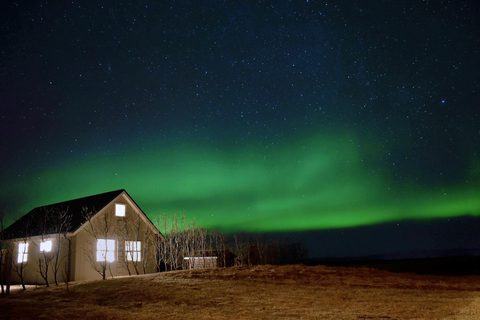
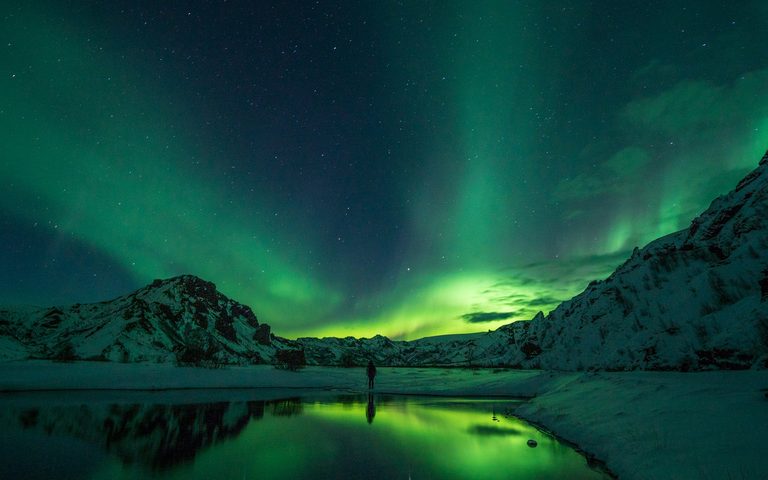
Iceland and Norway both sit beneath the auroral oval, and both deliver world-class Northern Lights from roughly late September to March. The difference isn't really the aurora itself — it's everything around it: the landscapes, the access, and what you do by day.
Iceland: compact and dramatic
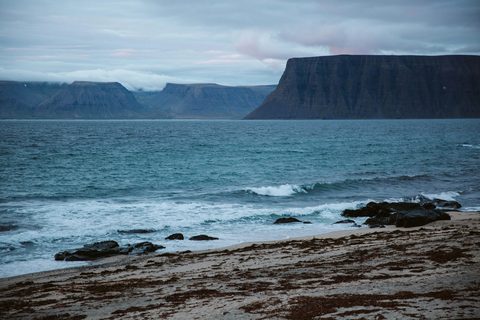
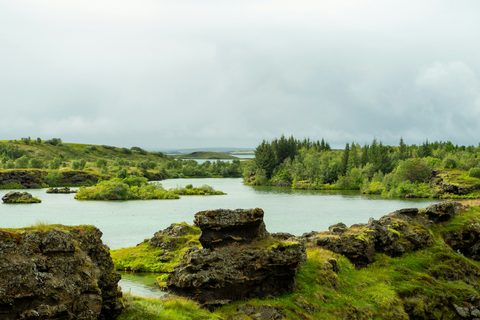
Iceland packs glaciers, geysers, black-sand beaches and geothermal lagoons into a compact, easily navigated island — and it's an easy stopover from North America and Europe. You can chase the lights at night and fill the days with some of Earth's most cinematic scenery, all from a handful of bases.
Norway: the Arctic edge
Norway's far north — Tromsø and the Arctic — offers some of the highest aurora reliability anywhere, plus the majesty of the fjords and singular stays (glass lodges, historic coastal voyages). It's a larger country, so journeys are more spread out, but the payoff is depth and Arctic atmosphere.
When to go
For both, the aurora season runs late September to March, peaking in the darkest months (December–February). Late autumn and early spring add a little daylight for landscapes while still offering strong aurora odds. We time the trip to the darkness and the weather windows.
What each starts from — and how to choose
As a luxury advisory we quote a from-price, not a final one. Indicatively, a luxury aurora trip to either starts from around US$1,500 per person per day, rising with private guiding, remote lodges, heli-access and private aviation; the real figure depends on the season and how remotely you travel. Choose Iceland for compact, scenery-rich ease; Norway for the highest Arctic aurora reliability and the fjords. And remember: the lights are never guaranteed — we maximize the odds with the right location, timing and flexibility.
Questions, answered.
Both are world-class. Iceland is compact, scenery-rich and an easy stopover; Norway's far north (Tromsø, the Arctic) offers some of the highest aurora reliability plus the fjords. Choose Iceland for ease and landscapes, Norway for aurora odds and Arctic depth.
Roughly late September to March in both countries, peaking in the darkest months (December–February). Late autumn and early spring add some daylight for landscapes while still offering strong aurora odds.
Norway's far north (around Tromsø) is among the most reliable aurora zones on earth. Iceland is also excellent and more compact. Either way the lights are never guaranteed — location, timing and flexibility maximize your chances.
Iceland — it's a short, easy stopover from North America and Europe, and compact to get around. Norway is a larger country with journeys more spread out, especially to reach the Arctic north.
As an indicative guide, a luxury aurora trip to either starts from around US$1,500 per person per day, rising with private guiding, remote lodges, heli-access and private aviation. We give a clear from-price and never quote a final total until it's designed around you — it depends on the season and how remotely you travel.
Iceland: glaciers, geysers, geothermal lagoons, black-sand coasts and ice caves. Norway: the fjords, Arctic wildlife, dog-sledding and unique glass or coastal stays. Both fill the daylight beautifully while you chase the lights by night.
No — the aurora depends on solar activity and clear skies, so no trip can guarantee them. We maximize your odds by choosing the right location and season, building in multiple nights, and keeping the itinerary flexible to chase clear skies.
Four to seven nights gives you several chances at the aurora plus time for the landscapes. More nights meaningfully increase your odds of clear, active skies. We advise on the right length for your dates.
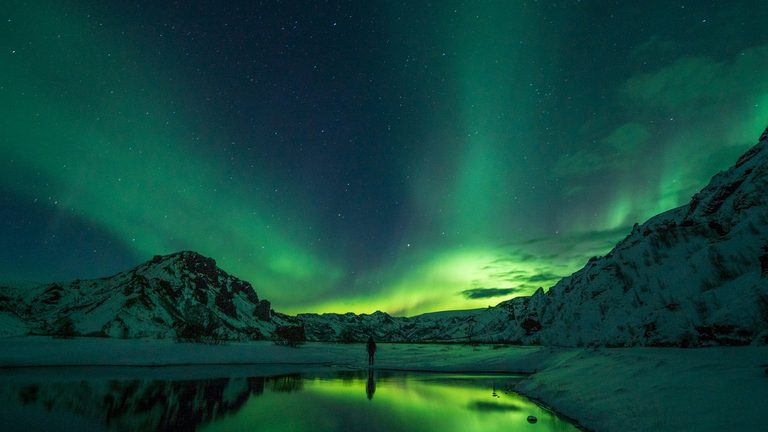
Iceland
See the collection →Tell a private advisor how you like to travel — no quotes, no obligation.
Begin Your Private Consultation