Luxury Travel Trends Shaping 2026
In 2026, luxury travel is defined by experiences over possessions: multigenerational journeys, wellness and longevity retreats, expedition and “set-jetting” to remote destinations, private aviation, and once-in-a-generation events like the FIFA World Cup across North America. The through-line is personalization — affluent travelers want private, meaningful access designed around them.
- Luxury travel is a ~US$1.2 trillion market in 2026, pacing about 21% ahead of last year.
- Hotels at US$1,500+ a night are growing 37% — more than twice the rate of cheaper rooms.
- Autumn bookings are up 59% and sales 69%: autumn now prices and books like a second summer.
- Wellness is a reason to choose a destination, not an amenity — 54% are spending more on it.
- Longevity programmes replaced sleep retreats, and book like medical appointments.
- 94% of private flyers fly to save time; fewer than half call it a luxury experience.
- In 2026 the scarce thing is the format — exclusive use — not the destination.
The numbers that frame the year
Luxury travel is a roughly US$1.2 trillion market in 2026, forecast toward US$1.8–2.0 trillion by 2030. Two figures matter more than the headline: system-wide sales are pacing about 21 per cent ahead of last year, with hotel sales up 24.5 per cent — and bookings at hotels charging US$1,500 a night or more are growing 37 per cent, more than twice as fast as cheaper rooms. The top of the market is not just holding. It is pulling away.
Quiet luxury became the default, not a style
The defining aesthetic of 2026 is understatement: fewer marble lobbies, more houses that feel personal. What changed is not taste but the definition of scarcity. When anyone can book a suite, the luxury is the thing that cannot be booked — the hour before opening, the table that does not exist, the reserve nobody else may enter.
Autumn is now a peak season
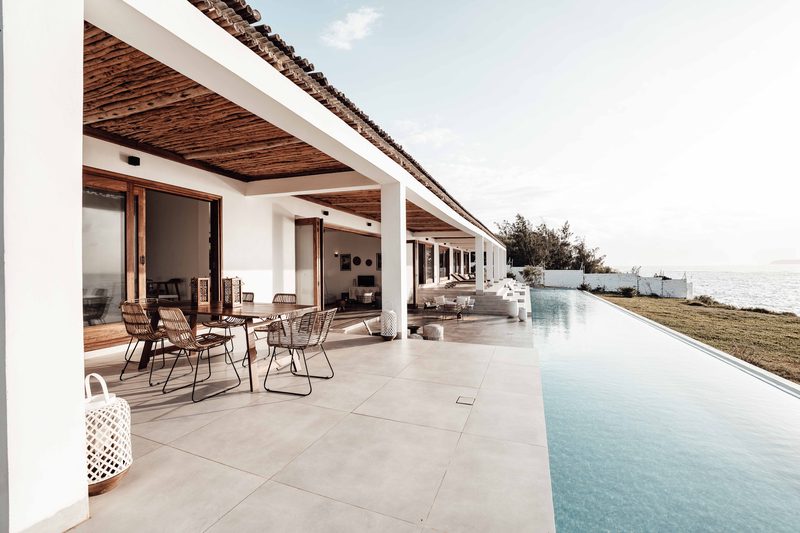
The most actionable shift of the year. Autumn 2026 bookings are up 59 per cent and sales 69 per cent, with September the strongest month of all — sales up 77 per cent on bookings up 55 per cent. Europe in September and October is no longer the shoulder — it is a second summer that prices and books like one. If your model of 'quiet season' was formed a decade ago, it is out of date. Where that still works is set out in The Season of Access.
Wellness stopped being an amenity
Wellness tourism is projected to pass US$1.4 trillion by 2027, and around 54 per cent of luxury travellers are increasing what they spend on it. The real change is causal: wellness is now a reason people choose a destination rather than something they hope the hotel provides.
Longevity replaced the sleep retreat
The sleep-focused retreats that dominated 2025 have given way to longevity programmes — diagnostics, biomarkers and a plan you take home, delivered in a resort rather than a clinic. Names setting the standard include SHA, Lanserhof, Six Senses, Canyon Ranch and COMO Shambhala. Practical consequence: these are booked as medical appointments, not holidays, and the good weeks go months ahead. The collection is Wellness & Retreat.
Multi-generational travel, and the rise of roots journeys
Private stays, longer trips and whole-family bookings are all up, and a distinct strand has appeared beside them: ancestry travel, where a family goes to where it came from and the trip is built around shared history rather than a beach. Both push toward the same format — an exclusive-use house rather than a block of rooms. The practical guide is how to plan a luxury family trip, and the collection Family & Multi-Generational.
Celebrations moved abroad
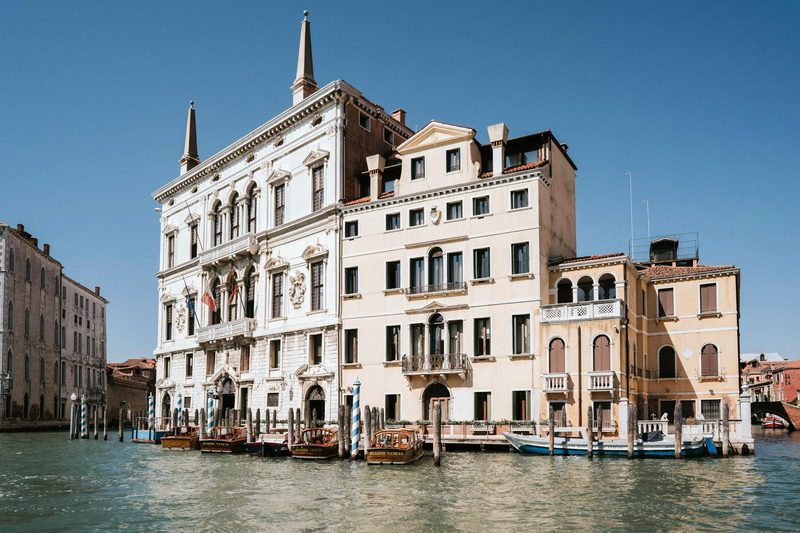
Milestone birthdays, anniversaries and vow renewals are increasingly staged as destination events with a guest list, which is why estate buy-outs are the fastest-tightening inventory in the Mediterranean. Summer Saturdays at the best estates go eighteen months ahead. See how milestone celebrations abroad are staged and Celebrations & Milestones.
Set-jetting, and the access economy behind it
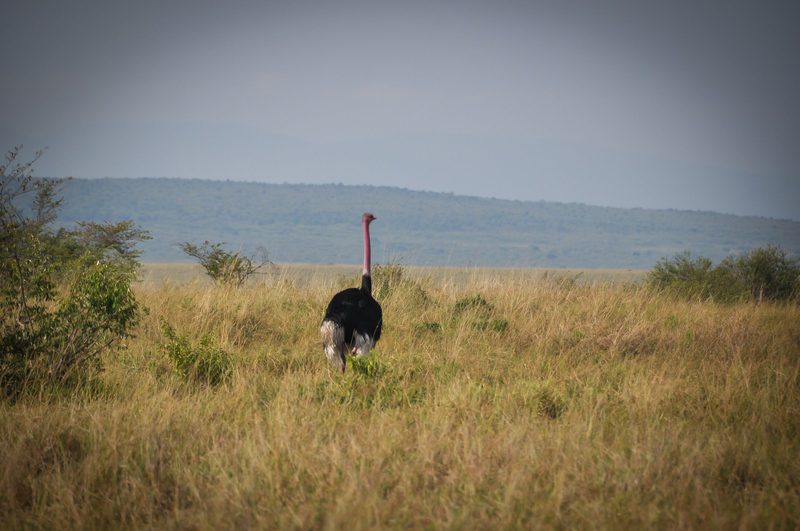
Screen-driven demand keeps moving crowds to specific valleys and coastlines within weeks of a release. The useful reading is not the destination but the lesson: in a year when everyone can find the place, what separates a good trip from a crowded one is access — private conservancies, out-of-hours openings, and land with a capped vehicle count.
Private aviation: a time argument, not a luxury one
The charter market is about US$26 billion in 2025 and US$27.9 billion in 2026, heading toward US$48 billion by 2034. The revealing statistic is attitudinal: 94 per cent of private flyers say they fly privately to save time, and fewer than half describe it as a luxury experience. Treat it as logistics, price it against the days it returns, and it usually justifies itself on multi-stop itineraries and fails on single-destination ones.
Where the demand actually is
For American travellers the strongest demand runs to the United States itself, Italy, France, Mexico and Japan, with Paris, the Amalfi Coast, the French Riviera, Tuscany and New York leading at city level. Note what that list is: almost entirely places people already know. The novelty in 2026 is not new countries — it is going to the familiar ones differently.
The emerging list, read honestly
Saudi Arabia's Red Sea and Diriyah developments, Oman's desert and coastal lodges, Rwanda's conservation model and Bhutan's high-value tourism policy are the names drawing genuine HNWI interest. They are worth watching and, in Rwanda's and Bhutan's case, worth booking now. But 'emerging' is also a warning about infrastructure: fewer flights, thinner medical cover, and a shorter list of operators who have actually delivered.
Luxury hotel booking trends in 2026
The top of the hotel market is growing fastest. In Virtuoso's 2026 data, bookings at hotels charging US$1,500 or more a night rose 37%, more than twice the pace of lower-priced properties, and sales at its preferred hotels were up 39% through June. Rates rose with demand: luxury hotels in the United States now average about US$1,445 a night, 16% above last year and up from US$790 in 2019, and luxury hotels abroad about US$1,653, up 4% and from US$985 in 2019. Wellness hotels outpaced the rest, with bookings up 28% and sales up 44%.
What it means for a booking: the suites and best-placed rooms at the top properties are the scarce inventory and go first, so book the room before the flights, and earlier than the season suggests. The figures are Virtuoso's, reported by Spear's in August 2026, and describe the luxury advisory market rather than every hotel.
What all of this does to booking windows
- 12–18 months — the Maldives, French Polynesia, and safari in migration season.
- 6–9 months — Europe and the Mediterranean, now including September and October.
- 4–6 months — the Caribbean in high season; less for the festive fortnight, which is its own problem — see what is still holdable at Christmas.
- 18 months — a summer Saturday at a sought-after European estate.
Expedition, and the far corners
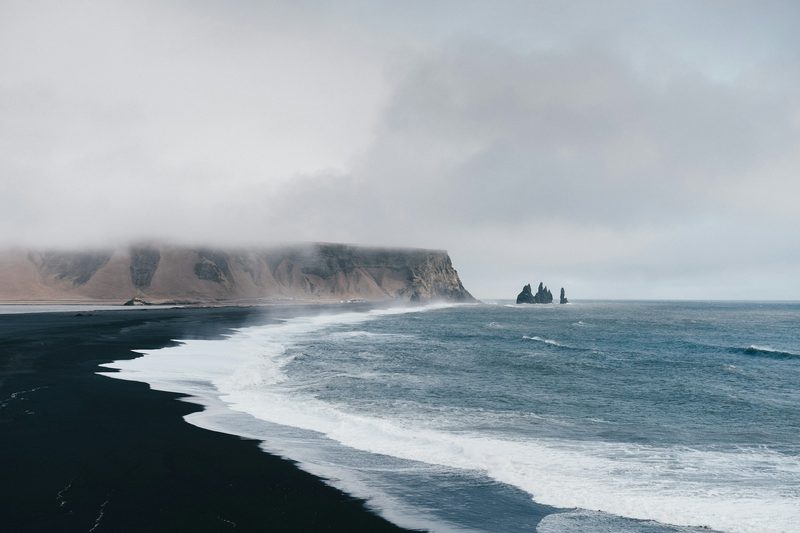
Antarctica, Iceland in the aurora months and the high Arctic keep growing, for a reason that fits the year: they are places where the experience cannot be bought at scale because the berths simply do not exist. The collection is Adventure & Expedition.
What we would actually change about how you book
Three things. Move your European planning forward by a season, because autumn now competes with July. Decide the format — villa, exclusive use, or resort — before the destination, because in 2026 it is the format that is scarce. And if wellness is part of the trip, book it like a medical appointment rather than a hotel, because that is how the good programmes are actually sold.
For the year after, see Luxury Travel Trends 2027: in Virtuoso's 2027 report Japan overtakes Italy as the most requested destination for the first time, and multigenerational travel becomes the No. 1 trend.
The 2026 Luxe Report, list by list
The fullest picture of the year comes from the 2026 Virtuoso Luxe Report, a survey of more than 2,400 advisors from Virtuoso agencies in more than 50 countries. Nearly half of them expected a slight rise in travel demand, with 18 per cent anticipating a significant increase, and spend per trip stayed high: 55 per cent predicted a modest increase and 28 per cent expected it to hold.
The ten biggest trends: family travel, multigenerational family travel, active and adventure trips, cultural immersion, expedition cruising, authenticity, beach resort stays, ocean cruising, food, wine and high-end spirits travel, and river cruising.
The ten reasons to travel: celebrating a milestone, the excitement of a new destination, time with loved ones, rest and relaxation, escaping foul weather, health and wellness, personal enrichment, honeymoons, seeking adventure and pampering oneself.
Ultraluxe: 45 per cent of advisors reported an increase in ultraluxe travel — exclusive use, private or exceptionally high-end experiences — led by all-inclusive experiences, celebration travel, privacy, active trips and hyper-personalised experiences.
Sustainability: the practices clients most support are avoiding over-touristed destinations, wildlife conservation, farm-to-table dining, giving back to local communities and booking with companies that employ locals.
Where the year ends
Every pressure described above peaks in the last fortnight of December, when format matters more than destination and the good weeks are committed months ahead. The week-by-week cost of the festive season is in holiday-season pricing, what remains available in the Caribbean is in Christmas and New Year in the Caribbean, and the logistics of moving a family over those dates are in holiday planning logistics.
Questions, answered.
Five, according to the 2026 Virtuoso Luxe Report, a survey of more than 2,400 travel advisors: travel away from crowds and extreme heat, with 45 per cent of advisors seeing clients change plans because of the climate and 76 per cent of those moving to shoulder or off-peak dates; trips inspired by film and television; slower itineraries once travellers arrive; requests for ultraluxe journeys with every detail included, reported by 45 per cent; and wellness, now the second most requested experience for solo travellers.
Quiet luxury as the default register; autumn emerging as a second peak season; wellness and longevity as reasons to choose a destination; multi-generational and roots travel; celebrations staged abroad; and access — private land, out-of-hours openings — replacing address as the marker of a good trip.
Around US$1.2 trillion, forecast toward US$1.8–2.0 trillion by 2030. System-wide sales are pacing about 21% ahead of last year, and bookings at hotels charging US$1,500 a night or more are growing 37%, more than twice the rate of cheaper rooms.
For Europe, yes. September leads the season on sales, up 77% year on year with bookings up 55%, and autumn 2026 as a whole is running 59% ahead on bookings and 69% ahead on sales. Treating September as a quiet shoulder month is a model that is about a decade out of date.
A longevity programme runs diagnostics and biomarkers and sends you home with a plan, delivered in a resort setting rather than a clinic. SHA, Lanserhof, Six Senses, Canyon Ranch and COMO Shambhala set the standard. Book them like medical appointments — the good weeks go months ahead.
Judge it as logistics, not luxury: 94% of private flyers say they fly to save time and fewer than half call it a luxury experience. It usually justifies itself on multi-stop itineraries and rarely on a single-destination trip.
Rwanda and Bhutan are the two where the product is already mature enough to book with confidence. Saudi Arabia's Red Sea and Diriyah and Oman's lodges are worth watching, with the caveat that 'emerging' also means fewer flights, thinner medical cover and a shorter list of proven operators.
Twelve to eighteen months for the Maldives, French Polynesia and safari in migration season; six to nine for Europe and the Mediterranean, now including September and October; four to six for the Caribbean in high season; and eighteen months for a summer Saturday at a sought-after European estate.
In 2026, set-jetting moves crowds to specific valleys and coastlines within weeks of a screen release, so the answer is access rather than a different destination. What separates a good trip from a crowded one is private conservancies, out-of-hours openings and land with a capped vehicle count. When everyone can find the place, the luxury is the hour before opening or the reserve nobody else may enter.
Antarctica, Iceland in the aurora months and the high Arctic keep growing in 2026 because the experience cannot be bought at scale: the berths simply do not exist. That fits the wider shift of the year, in which scarcity, not a grand address, defines luxury, and the most valuable trips are the ones that cannot be booked by everyone.
For American travelers in 2026, the strongest demand runs to the United States itself, Italy, France, Mexico and Japan, with Paris, the Amalfi Coast, the French Riviera, Tuscany and New York leading at city level. Almost all are places people already know; the novelty of the year is not new countries but going to familiar ones differently.
Yes. In 2026 the format, whether a villa, exclusive use or a resort, is what is scarce, so it should be decided before the destination. Whole-family and roots journeys push toward an exclusive-use house rather than a block of rooms, and estate buy-outs are the fastest-tightening inventory in the Mediterranean. In the last fortnight of December, format matters more than destination.
Milestone birthdays, anniversaries and vow renewals are increasingly staged abroad as destination events with a guest list, which makes estate buy-outs the fastest-tightening inventory in the Mediterranean in 2026. Summer Saturdays at the best estates go eighteen months ahead, so a celebration built around one needs that much lead time.
Demand is concentrating at the top. In Virtuoso's 2026 data, reported by Spear's in August 2026, bookings at hotels charging US$1,500 or more a night rose 37%, more than twice the pace of lower-priced properties, and sales at its preferred hotels were up 39% through June. Wellness hotels grew fastest, with bookings up 28% and sales up 44%. The top suites are the scarce inventory, so they are booked first and earlier.
On average about US$1,445 a night for luxury hotels in the United States and about US$1,653 abroad, according to Virtuoso's 2026 data reported by Spear's in August 2026. That is 16% and 4% above last year, and up from US$790 and US$985 in 2019. The finest suites sit well above those averages.
Demand is moving to the top of the market and toward wellness. In Virtuoso's 2026 data, reported by Spear's in August 2026, bookings at hotels of US$1,500 or more a night rose 37%, and wellness hotels outpaced the rest, with bookings up 28% and sales up 44%. Quiet luxury is the default register, longevity is becoming a reason to choose a destination, and villas and exclusive-use estates are the scarcest format.
Luxury travel today is defined by access and time more than by the room: quiet luxury is the default register, travelers look for places away from crowds and extreme heat, and private land and out-of-hours openings have replaced the address as the marker of a good trip. It is a market of around US$1.2 trillion in 2026, forecast toward US$1.8–2.0 trillion by 2030.
According to the 2026 Virtuoso Luxe Report, a survey of more than 2,400 advisors, the ten biggest trends are family travel, multigenerational family travel, active and adventure trips, cultural immersion, expedition cruising, authenticity, beach resort stays, ocean cruising, food, wine and high-end spirits travel, and river cruising. Families lead the list, and three of the ten are forms of cruising.
Celebrating a milestone is the first reason, according to the 2026 Virtuoso Luxe Report. It is followed by the excitement of exploring a new destination, spending time with loved ones, rest and relaxation, escaping foul weather, health and wellness, personal enrichment and education, honeymoons, seeking adventure and pampering oneself.
Ultraluxe travel means exclusive use, private or exceptionally high-end experiences. In the 2026 Virtuoso Luxe Report, 45 per cent of advisors said they had seen an increase in it. The most popular ultraluxe experiences are all-inclusive experiences, celebration travel, privacy, active and adventure trips, and hyper-personalised experiences.
Avoiding over-touristed destinations comes first, according to the 2026 Virtuoso Luxe Report. Then wildlife conservation and interaction, farm-to-table dining with local, seasonal ingredients, giving back to local communities, and booking with companies that employ locals. In practice it shows up as quieter dates, conservation-led safaris and guides from the place itself.
Tell a private advisor how you like to travel — no quotes, no obligation.
Speak With a Luxury Travel AdvisorA real person answers: an in-house luxury travel advisor, in English or Spanish. The first conversation is complimentary.