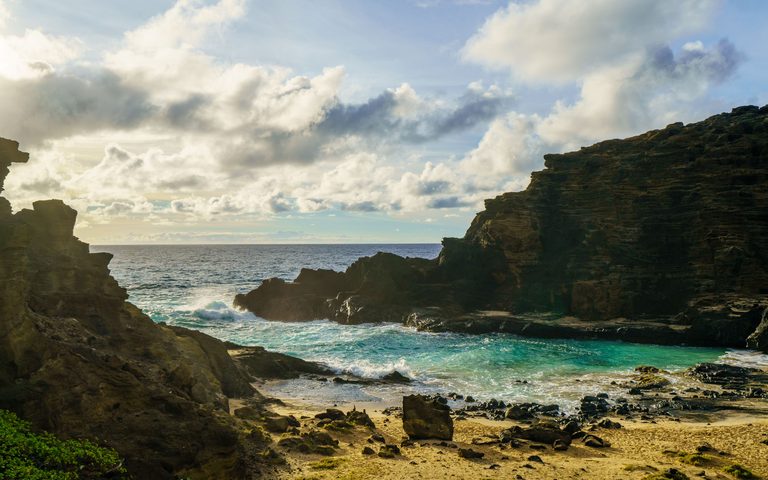
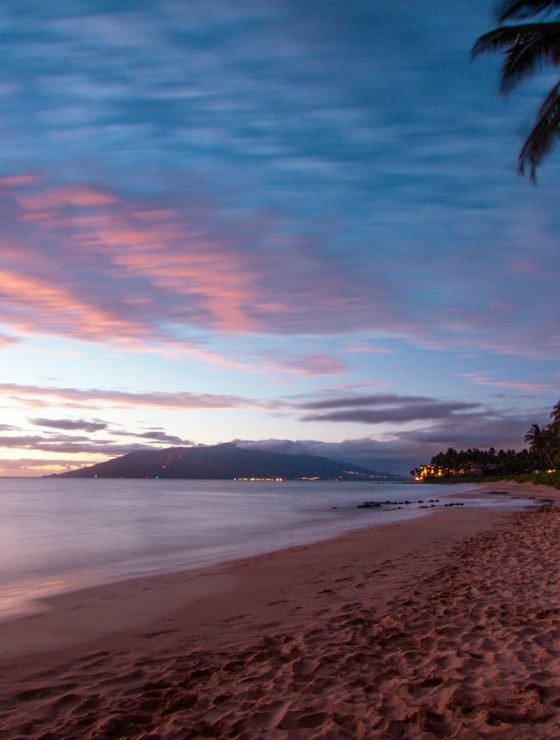
Hulopoʻe before anyone is awake
A marine preserve with spinner dolphins most mornings, and a bay you will often have to yourself because there is almost no one on the island to share it with.

Ninety thousand acres, about three thousand residents, no traffic lights — and two hotels that between them are most of the island's public life.
Lānaʻi is the one Hawaiian island where retreat is the whole proposition, not an amenity. There is very little to do that you did not decide to do — which is precisely the point, and precisely why it is the wrong island for some travellers.
What an advisor can open that an algorithm cannot. Each of these is staged on your terms — the access, the timing, the people.

A marine preserve with spinner dolphins most mornings, and a bay you will often have to yourself because there is almost no one on the island to share it with.

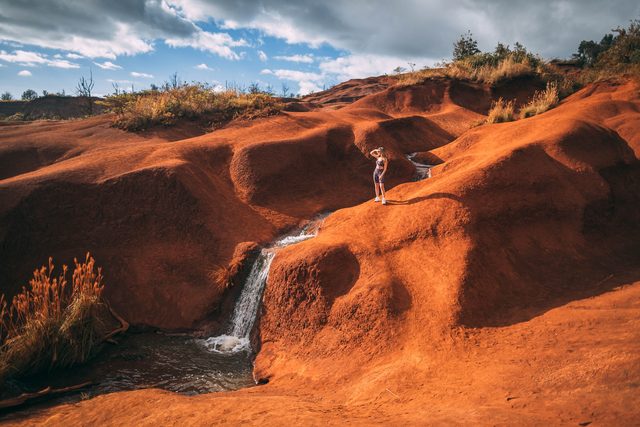
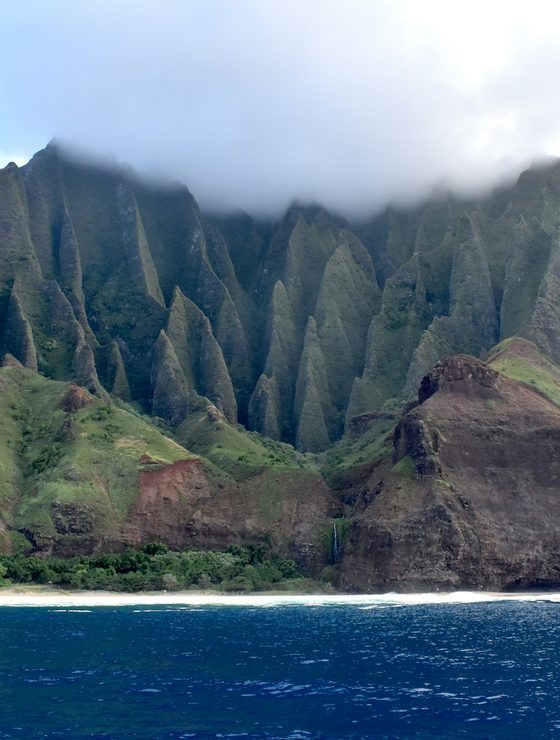
The rock garden they call the Garden of the Gods, reached by four-wheel drive, at the hour the stone turns and the wind drops.

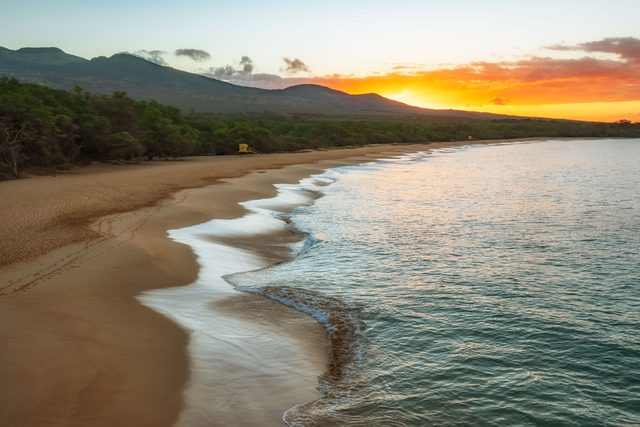
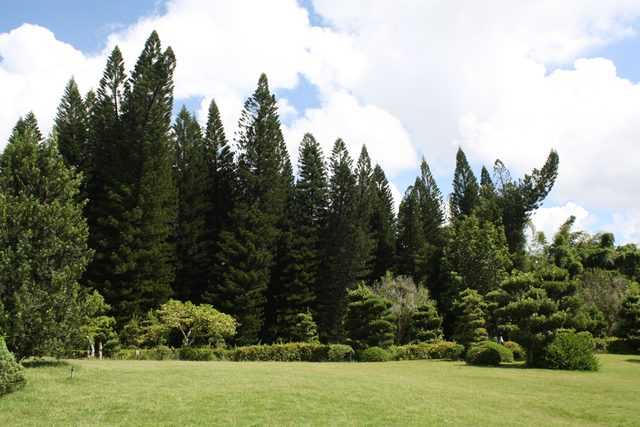
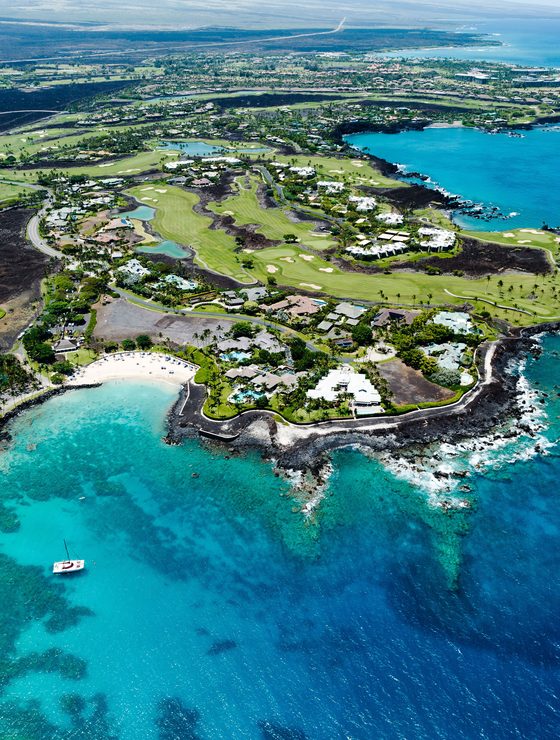
The water at Mānele and the pines upcountry at Kōʻele on the same short island — couples split their nights between them more often than people expect.
Each a starting point — our advisors weave them into a single, seamless journey.
Larry Ellison bought 98 per cent of the island in 2012 for a reported $300 million; the remaining two per cent is held by the state of Hawaii and individual homeowners. The island covers about 90,000 acres and has roughly three thousand residents.
By passenger ferry from Māʻalaea to Mānele — about an hour and fifteen minutes, three round trips a day, and the only regular sea link between Hawaiian islands. It sailed from Lahaina until the 2023 fire took that harbour out of service. There are also short flights into Lānaʻi Airport.
Two nights is a taste and three is the island. Beyond Hulopoʻe Bay, Puʻu Pehe and Keahiakawelo there is not a long list of things to do — which is the proposition rather than a shortfall. Most travellers take it as two or three nights inside a longer Maui trip.
One is on the water at Mānele above Hulopoʻe Bay — the beach-and-golf address. The other is upcountry at Kōʻele among the Cook pines and runs as an adults-only wellness retreat. They are twenty minutes and one climate apart, and couples often split their nights between them.
Less so than the other islands. There is no dining scene beyond the resorts, no nightlife and very little that happens by accident, so it suits couples and solitude-seekers more than it suits a family week that needs options.
April to May and September to October — dry weather, fewer people and better availability. Because the island's whole inventory is a handful of rooms, four to eight months ahead is the working rule, and longer over the year-end holidays.
Hulopoʻe Bay on Lānaʻi is best early, before anyone is awake. It is a marine preserve with spinner dolphins most mornings, and because there is almost no one on the island to share it with, you will often have the bay to yourself. Puʻu Pehe stands off the point. The bay sits below Mānele, the island's beach-and-golf address on the water.
Keahiakawelo, the rock garden on Lānaʻi called the Garden of the Gods, is reached by four-wheel drive and needs an afternoon. It is best at the very end of the day, at the hour the stone turns and the wind drops. It is one of the few set pieces on an island where there is not a long list of things to do, and that short list is the point.
Lānaʻi is quiet largely because it is one estate. Larry Ellison owns 98 per cent of the island, so the two resorts, most of the housing, the shop and the fuel belong largely to a single owner. Across 90,000 acres there are roughly three thousand residents and no traffic lights, and the two hotels make up most of the island's public life. The quiet is not an accident.
Yes, though the list is short by design. Hulopoʻe Bay is a marine preserve with spinner dolphins most mornings and Puʻu Pehe standing off the point; Keahiakawelo, the Garden of the Gods, is reached by four-wheel drive and is best at the very end of the day; and the water at Mānele and the pines at Kōʻele give two climates twenty minutes apart. There is no dining scene beyond the resorts and no nightlife, which is the proposition rather than a shortfall.
Yes. The passenger ferry runs from Māʻalaea on Maui to Mānele in about an hour and fifteen minutes, with three round trips a day, and there are also short flights into Lānaʻi Airport. A day trip shows you Hulopoʻe Bay, but it misses what the island is for: the bay before anyone is awake and Keahiakawelo at the end of the day. Two nights is a taste and three is the island, taken inside a longer Maui trip.
For couples and travellers who want solitude, yes; for anyone who wants choice, no. Lānaʻi has roughly three thousand residents across 90,000 acres, no traffic lights and two hotels that are most of its public life, and very little happens by accident. It works best as two or three nights inside a Maui trip, reached by sea, and booked four to eight months ahead, because a handful of rooms is the island's whole inventory.
Every journey here is a starting point a private advisor reshapes entirely around you — your pace, your people, the Lānaʻi only you would recognise.
A real person answers: an in-house luxury travel advisor, in English or Spanish. The first conversation is complimentary.