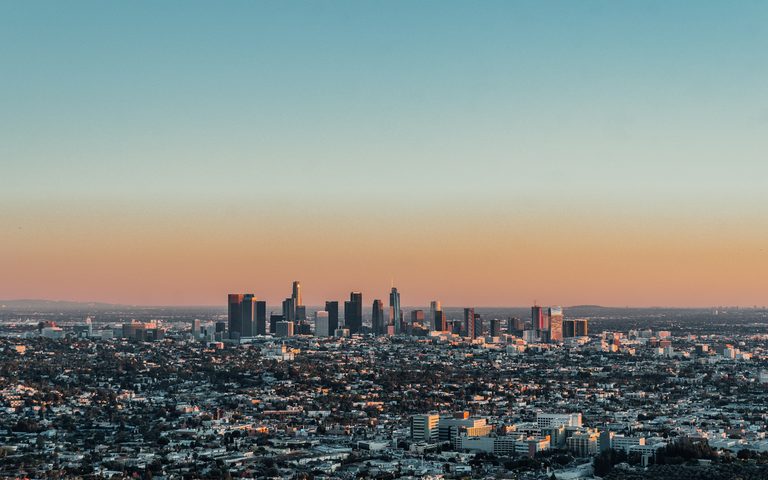
When does Los Angeles actually look like Los Angeles?
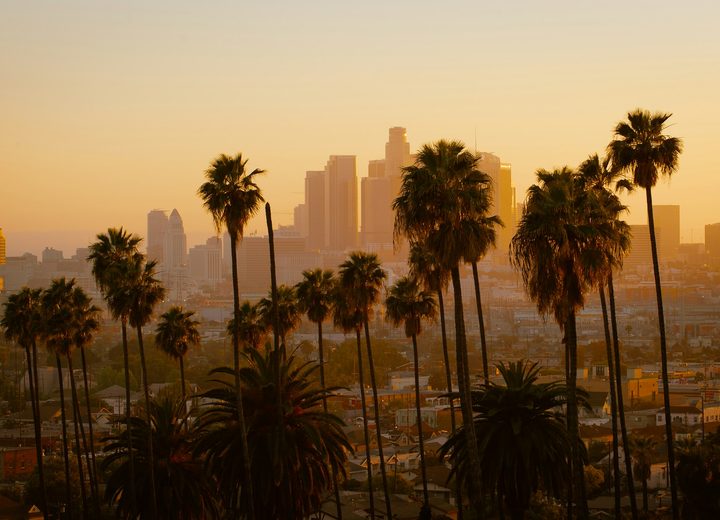
September and October, and it is not a matter of taste. Through May and June the marine layer — locally "May Gray" and "June Gloom" — parks over the coast overnight and usually burns off between midday and 2pm, later on heavy days, so Santa Monica, Venice and Malibu wake up grey while Beverly Hills and the valleys sit in sun. By September the layer has gone, the water is at its warmest and the summer crowds have thinned. March to November is the broad good season; September and October are the two months when the coast and the city are both at their best on the same day.
Which neighbourhood decides your trip?
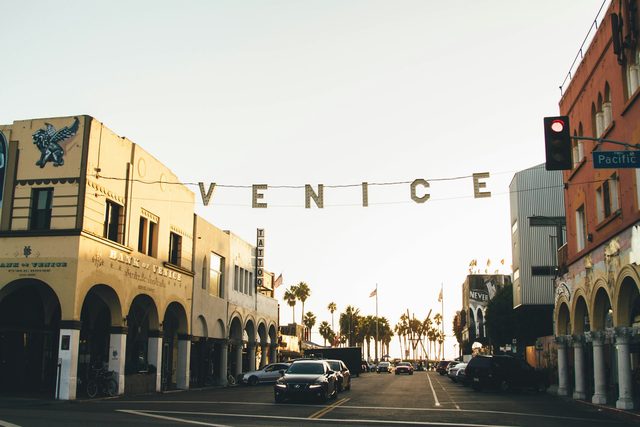
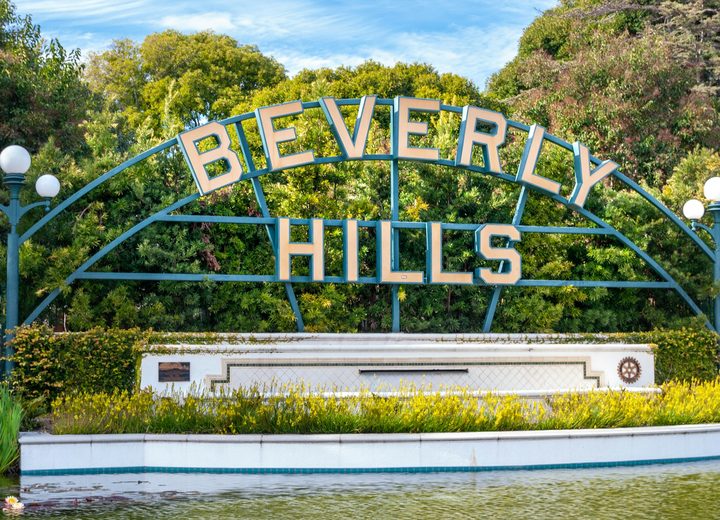
Your base sets your driving time, and driving time is the real currency here. Beverly Hills and Bel-Air put you central, quiet and above the marine layer, closest to the galleries, the shopping and the canyons. Santa Monica buys the ocean, morning light on the water and an easy family rhythm — at the cost of grey mornings in late spring and an hour back into town. West Hollywood is 1.9 square miles of the highest density of restaurants, rooms and nightlife in the city, and the shortest walk to a table. Downtown is the cultural base, strongest for concert halls and museums. We pick the base from your itinerary, not your postcode preference.
Beverly Hills or the beach?
Beverly Hills if your days are in the city; the beach if your days are on the water. It sounds obvious and it is the single most common expensive mistake we correct. A traveller who booked Santa Monica for the view but planned dinners in West Hollywood, a museum morning downtown and a studio afternoon in Burbank will spend three hours a day in a car and blame the city. Split-stay solves it honestly: two or three nights inland for the city, two on the coast for the light — one move, and the driving halves.
What does the coast look like now?
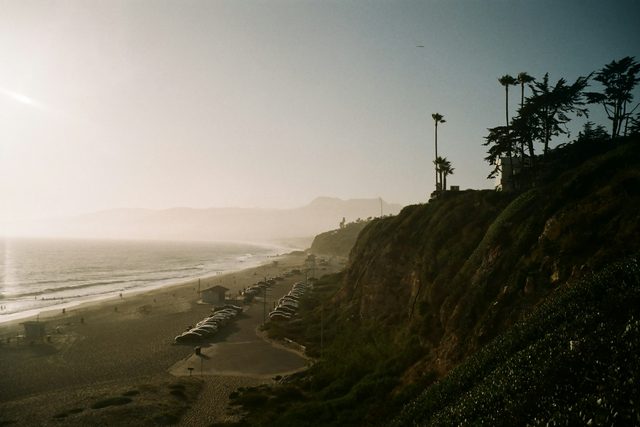
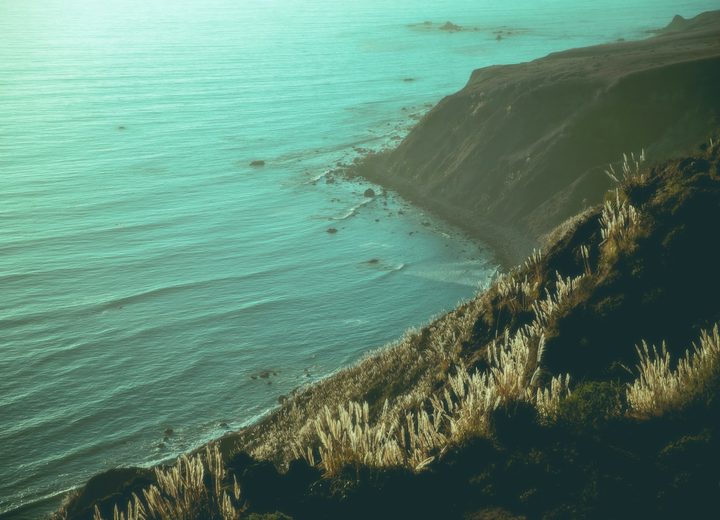
Open, and still under repair. The Pacific Coast Highway reopened to all traffic between Santa Monica and Malibu on 23 May 2025, after nearly five months closed by the Palisades Fire. Through the burn stretch, between Temescal Canyon and Carbon Beach Terrace, the speed limit is 25 mph, and lane and shoulder closures continue for utility undergrounding and debris work, with some slope repairs scheduled into 2028. The drive is worth taking and we take it — we simply build the day with the actual timings, not the pre-2025 ones, and we set the coastal run for late afternoon when the works crews and the light both cooperate.
How do you move through a city an hour wide?
With a dedicated car and driver for the length of the stay, not car service booked trip by trip. Los Angeles puts its best hours an hour apart: a canyon morning, an afternoon on the Pacific Coast Highway, dinner in one neighbourhood and private access in another. A driver who holds your day knows which canyon road is quicker at 6pm, waits while you eat, and absorbs the twenty-minute overrun that would otherwise cost you the next reservation. It is the single decision that changes an LA trip most, and it is the cheapest of the big ones.
What is left on the calendar after the World Cup?
The tournament is behind us and the next fixed point is 2028. Los Angeles hosted eight matches of the 2026 FIFA World Cup between 11 June and 19 July 2026, including the only quarter-final played in the United States, on 10 July. The next citywide event of that scale is the LA28 Olympic Games, 14–30 July 2028, with the opening ceremony split across the Los Angeles Memorial Coliseum and SoFi Stadium, and the Paralympic Games from 15 to 27 August 2028. Rooms and access for those dates move earlier than any other window in the city's calendar, and we are already holding against them.
How many days does Los Angeles take?
Four to five. Two days carry the city itself — the after-hours access, the tables, the galleries — one is a coastal day along Malibu and the Pacific Coast Highway, and one holds a studio or entertainment-world moment with room to overrun. Anything under three days is spent in traffic learning the geography. Longer suits travellers who pair the city with the desert, the mountains or the coast north.
What can be arranged here that is not bookable?
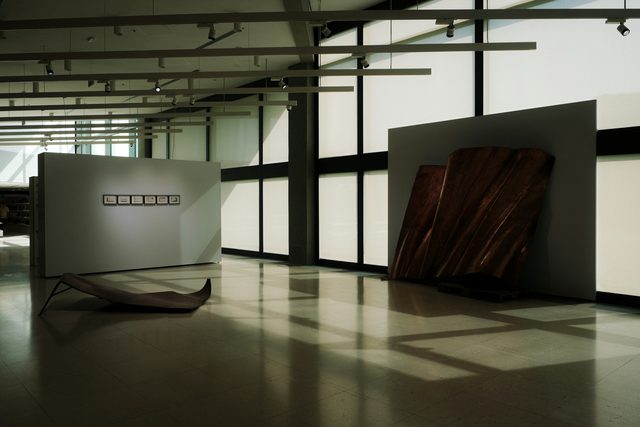
Curator-led access out of hours, and the seats that never reach a booking system. We arrange after-hours visits to the city's museums and private collections, entry to members-only rooms, and studio and entertainment-world moments that exist only through people who take our call. On the table side, we hold the chef's counter, the off-menu tasting and the private dining room at kitchens whose public line says no. None of it is a product with a price list; all of it is a relationship with a calendar.
What does a Los Angeles trip cost?
A private LA long weekend with Forest Travel starts from around US$10,000, and the arithmetic is visible: four nights against our published luxury reference of roughly US$1,500 per person per night puts the accommodation and services line near US$6,000, with the private car and driver, the after-hours access and the tables making up the rest. Suites, private aviation and event dates move it upward. We give the starting point before you commit and confirm the total once the dates are fixed.
What does Los Angeles pair with?
With everything on the western side of the map, because it is the gateway. From here we run north along the coast into the wine country, east into the desert or the mountains, or south into Mexico by short flight. Within the country it links cleanly to the other cities we plan — see the United States — and it is one of the strongest American bases for travelling with children, which we cover in luxury family travel and our family journeys. For how we time a city against its own calendar, see The Season of Access.