What changed in Florence in 2026 that changes where you stay?
The apartment option largely disappeared. Florence banned key boxes for holiday rentals in February 2025, requiring hosts to hand keys over in person, and it prohibited new short-term tourist rentals in the UNESCO historic centre. In May 2026 that ban was extended beyond the centre, adding roughly 67,000 dwellings for a total of more than 100,000 homes city-wide. Existing licensed properties continue; new ones do not appear. In practice this pushes serious travellers toward hotels inside the walls and toward a Tuscan estate outside them — which is where we would have put you anyway.
What has to be reserved, and how far ahead?
The Uffizi ticket is nominative, personal and non-transferable, with mandatory reservation: €25 on the day, €29 pre-booked, and €16 for entry from 4pm under a discount introduced on 1 January 2026. From 15 March 2026 the Accademia and the Bargello share a single €26 ticket valid 48 hours. Book the Accademia around two months out and the Uffizi at least one month out if the hour matters — and it does, because the hour is the whole point.
What is under scaffolding right now?
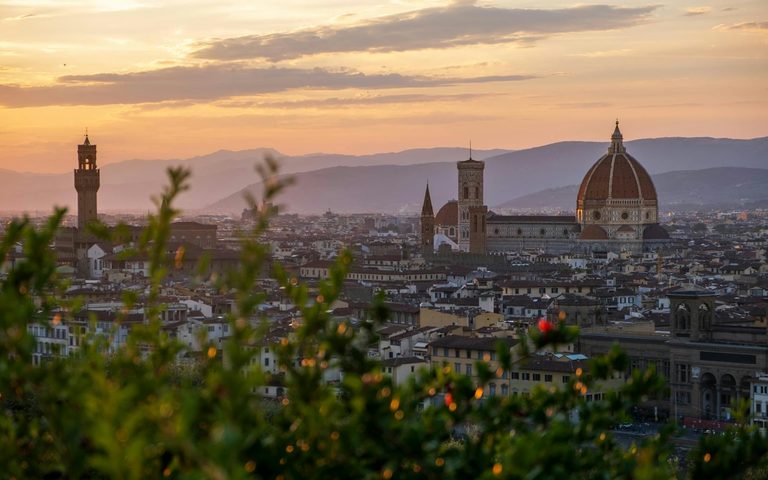
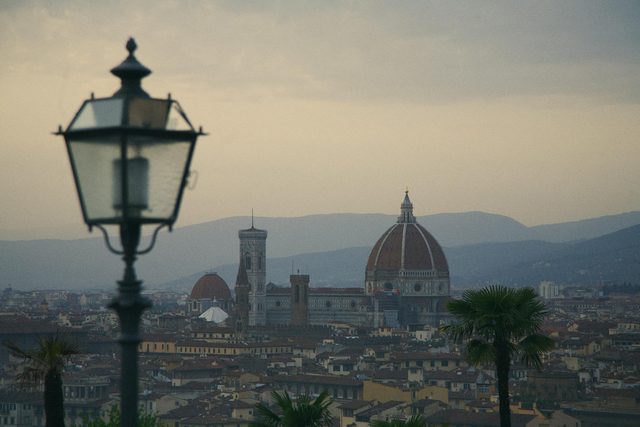
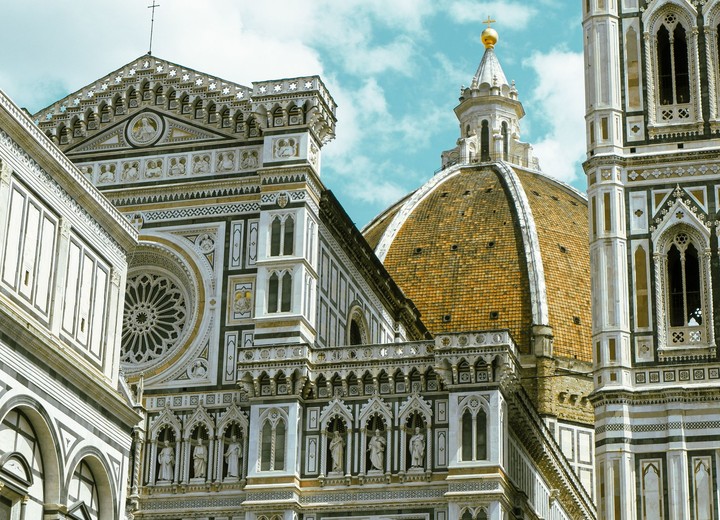
Giotto's Campanile. Its first comprehensive restoration began on 9 March 2026, budgeted above €7 million and expected to run about four years, with the scaffolding itself taking some four months to erect through mid-July. The interior stays open: the 414 steps to the terrace remain climbable for the duration. A wider programme worth more than €60 million also covers the Museo dell'Opera del Duomo. None of this closes Florence; all of it changes which photograph you get.
Where do you eat, now that the tables have left the centre?
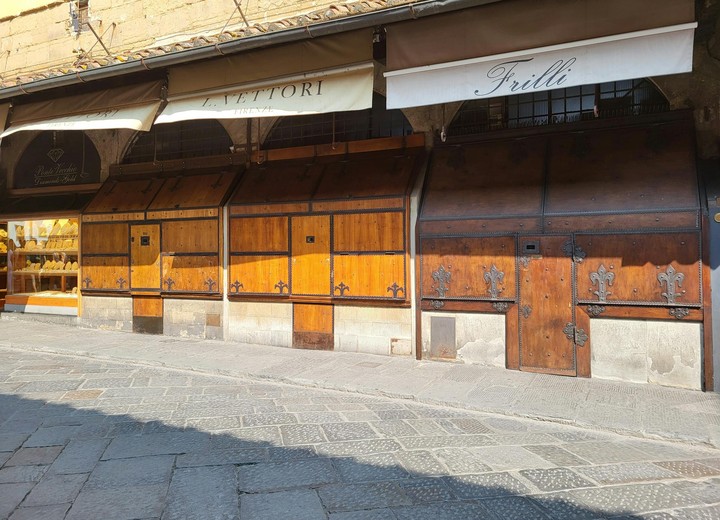
Indoors, and booked. From 2026 Florence banned outdoor dining structures outright in around fifty UNESCO streets — Ponte Vecchio, Piazzale degli Uffizi, Via Roma, Via Maggio among them — and regulates them in five graded categories across another seventy-three. In March 2026 the city extended its UNESCO rules on new food and drink businesses to 2031. The terrace you saw in an old photograph may not exist; the table inside still does, if it is asked for in advance.
City or countryside as the base?
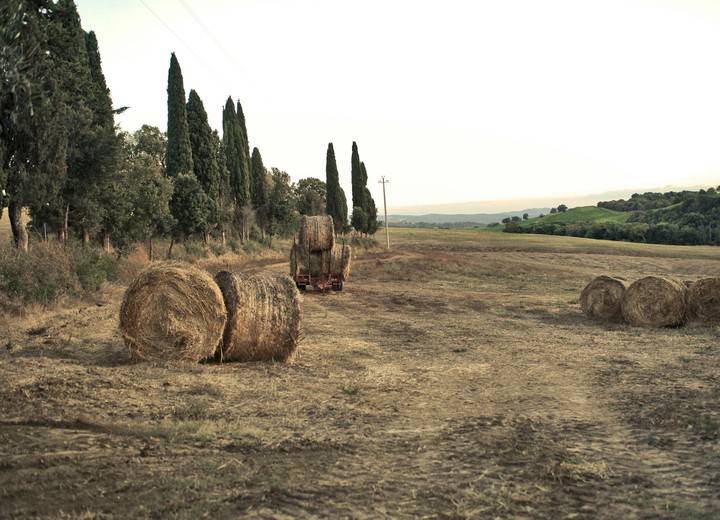
Both, in that order. Three nights in the centre near the Duomo or across the river in the Oltrarno, then a country estate for Chianti, the Val d'Orcia around Montalcino and Pienza, or the Bolgheri coast. The historic centre is a camera-monitored restricted traffic zone, so the car meets you at the perimeter. Rome is ninety minutes south by fast train and Milan under two hours north, which makes Florence the easiest hinge in any Italian itinerary; the food-led version is our culinary journey.
For whom is Florence the wrong anchor?
For anyone travelling in July or August who dislikes heat and queues, and for anyone who wants a beach within reach. Winter is genuinely rewarding in the galleries, but many Tuscan country properties close seasonally — so a January trip is a city trip, not a villa one.