Is 2026 an easier year to be in Rome than 2025 was?
Yes, and measurably so. The Holy Year closed with the Holy Door at St Peter's on 6 January 2026 after 33,475,369 registered pilgrims from 185 countries — roughly 90,000 people a day, with the July–August youth Jubilee alone drawing more than 13 million. That pressure is now behind the city. The next two seasons are the calmest window Rome will offer for years, which is the single strongest argument for going now rather than waiting.
What has to be in the calendar before you land?
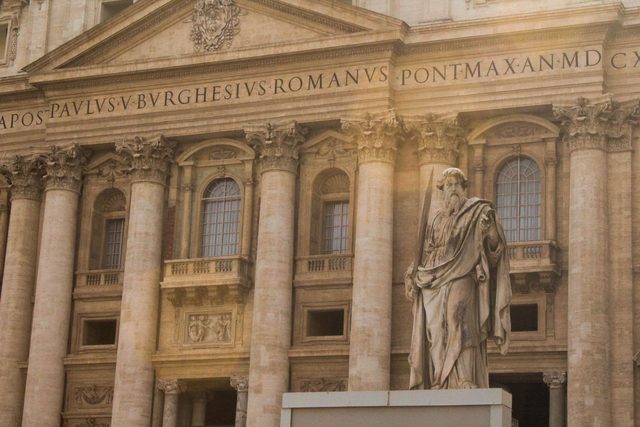
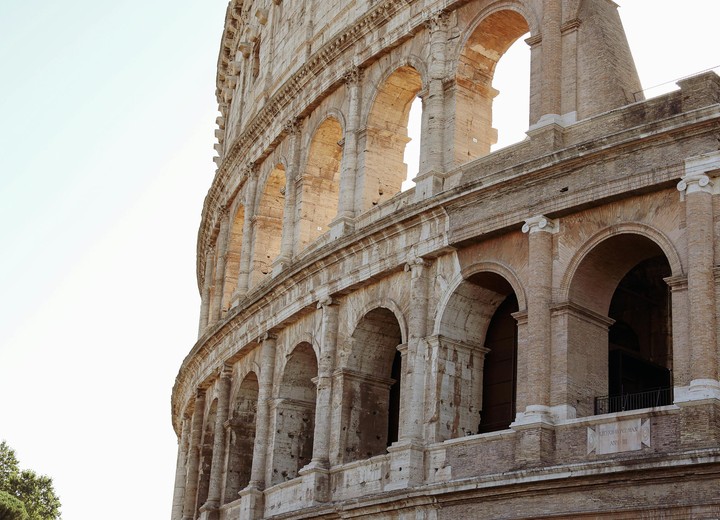
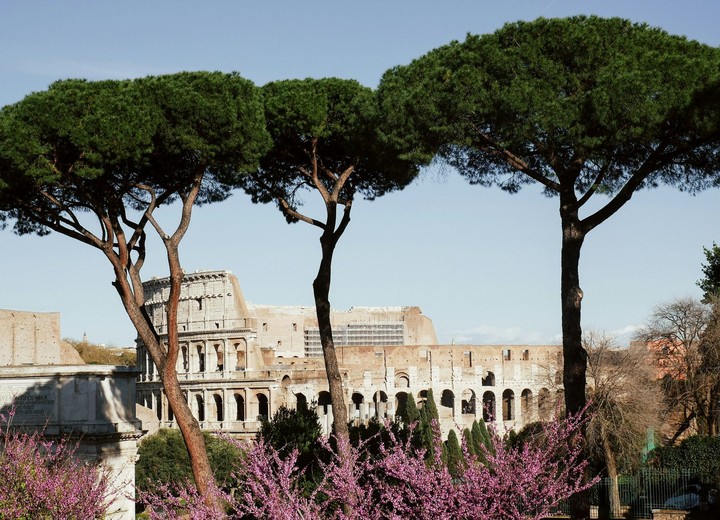
The Colosseum, the Vatican and now the Trevi Fountain. Colosseum tickets are nominative, ID is checked at the gate, and sales open only thirty days before the visit; for visits from 9 May 2026 the ticket holder's name can be changed once and only until midnight on the seventh day before, and only for a clerical error or a documented serious reason. The Vatican Museums work on compulsory online booking with a timed slot and roughly fifteen minutes of grace. Since 2 February 2026 the basin of the Trevi Fountain costs €2, 09:00 to 22:00, with about 400 people admitted at a time and a queue even for ticket holders.
Does the after-hours Vatican deliver what it promises?
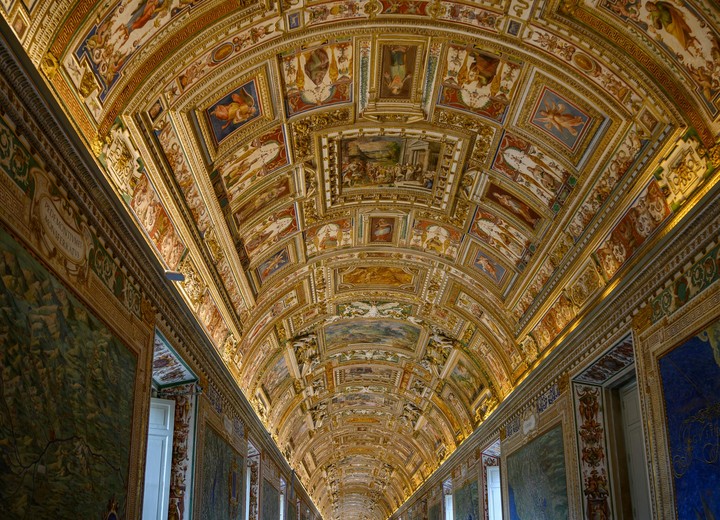
It delivers the room without the crush, but not immunity from conservation. From late February 2026 the Vatican Museums ran extraordinary maintenance on Michelangelo's Last Judgment: scaffolding in the chapel and a high-definition reproduction shown to visitors while conservators worked. San Clemente has been largely scaffolded since 7 January 2026, and Palazzo Venezia's monumental rooms were opened as a working site in May and June 2026. We confirm what is actually visible before we sell you an hour in front of it.
How many nights, and in which quarter?
Three to four nights. The historic centre around the Spanish Steps and Via dei Condotti is the address for the leading hotels and the shopping; Monti and the lanes near Piazza Navona trade grandeur for atmosphere. The centre is a restricted traffic zone, so a private driver delivers you to the perimeter and the days are walked or guided from there. Add Tivoli or the Castelli Romani only if you have the fourth night.
When does Rome not work?
July and August. The heat is punishing, and around Ferragosto in mid-August a great many Roman restaurants and workshops simply close — including some of the ones worth crossing the city for. Modest dress covering shoulders and knees is enforced at St Peter's and the major basilicas, and no relationship exempts anyone from it.
What does Rome open onto?
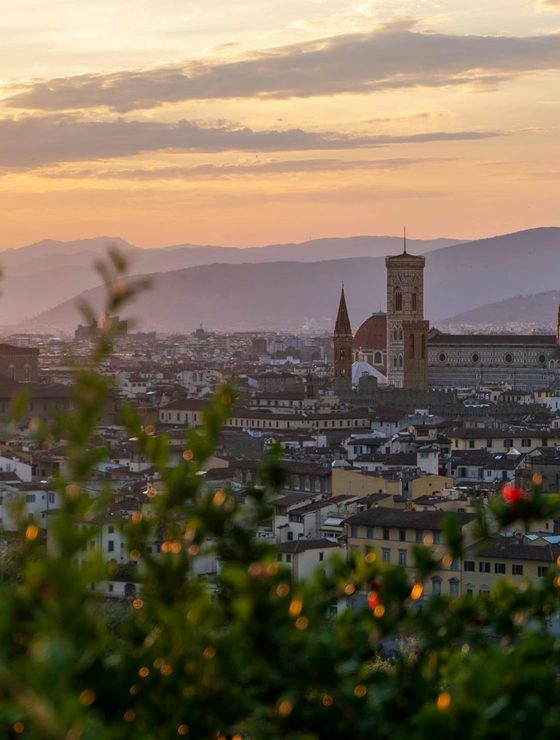
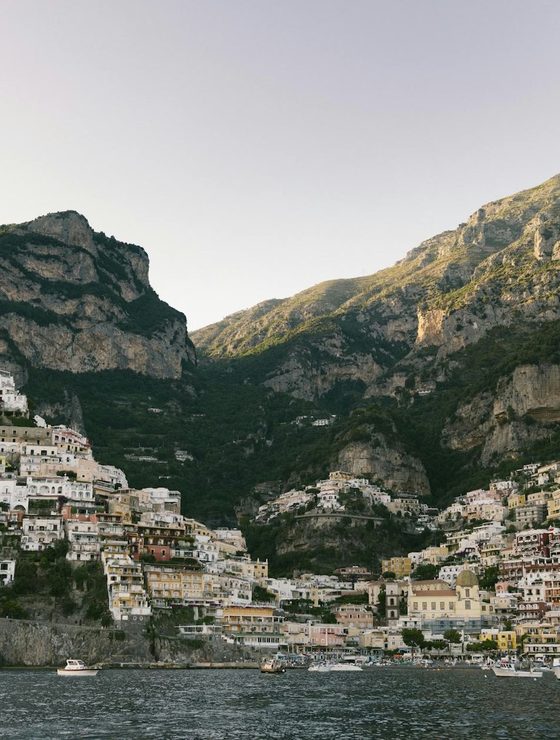
South and north with equal ease. Florence is about ninety minutes by fast train and the Amalfi Coast is reached via Naples in just over an hour, which makes Rome the natural first or last base of a longer Italian journey. For the art-led version of the same route, see our art and culture journey.